Having and Keeping Secrets
{{ time.start_TS | TS2dateFormat('MMM') }}
{{ time.start_TS | TS2dateFormat('YYYY') }}
| free admission |
| English |
| Ground Floor, Hall 3 |
| Part of: Lecture series Family Matters |
Having and Keeping Secrets
Common wisdom suggests that secrecy harms relationships and well being because active concealment is hard and stressful work. Multiple studies of thousands of participants keeping tens of thousands of secrets reveals otherwise. The problem with having secrets is often not that we have to hide them, but rather that we have to think about them, and live with them alone in our thoughts without others’ help and perspectives. Whereas instances of concealment can be construed as effective goal pursuit (i.e., successful secret keeping), having secrets intrude upon one’s thoughts is taken as a signal of relational and personal problems, including reduced relationship quality and reduced authenticity. At the same time, secrets can improve well-being, when managed well and kept for the right reasons. Secrets kept on behalf of collectives can foster feelings meaning, confiding secrets in others and being confided in can bring feelings of closeness and intimacy, and keeping positive secrets can enhance feelings of autonomy and vitality. The multifaceted nature of secrets will be discussed, including how to cope effectively, and how to thrive while carrying them.
Participants
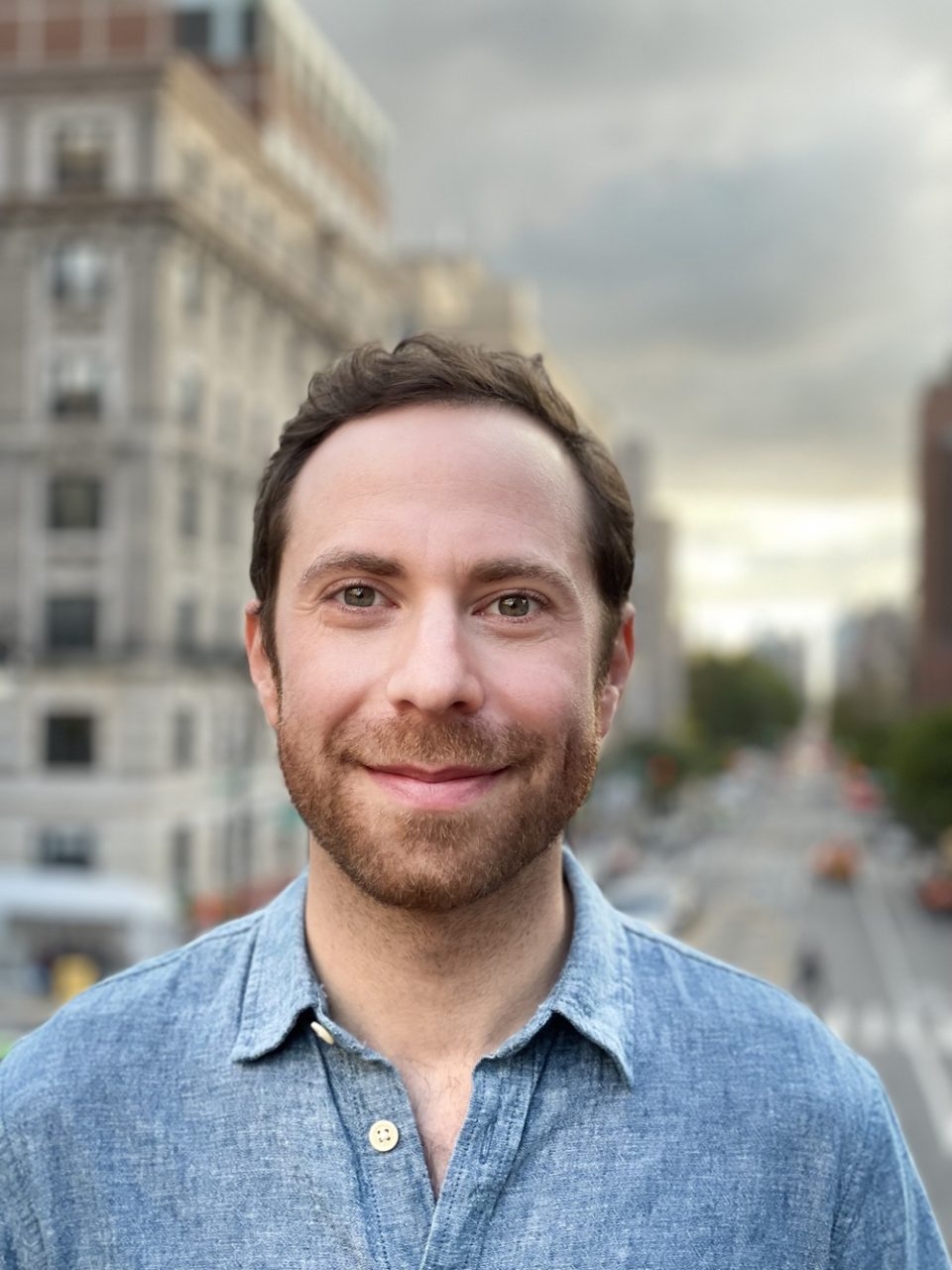
Dr. Michael Slepian, Associate Professor an der Columbia Business School.
Prof. Dr. Daniel Tyradellis (Humboldt-Universität zu Berlin)
Dr. Alia Rayyan (Humboldt-Universität zu Berlin)
Dr. Laura Goldenbaum (Stiftung Humboldt Forum im Berliner Schloss)
Dr. Michael Slepian is an Associate Professor at Columbia Business School, and author of the Secret Life of Secrets. The leading expert on the psychology of secrets, his research examines how keeping secrets shapes trust, relationships, and well-being, in social and organizational life. He has authored more than fifty scholarly articles on secrecy, truth, and deception, and his work has been featured in The New York Times, The Atlantic, The New Yorker, The Economist, The Wall Street Journal, the BBC, and NPR. Slepian earned his Ph.D. from Tufts University, was a visiting scholar at Stanford University, received the Rising Star Award from the Association for Psychological Science, and is an elected fellow of the Society of Experimental Social Psychology.