Secrets and Lies
{{ time.start_TS | TS2dateFormat('MMM') }}
{{ time.start_TS | TS2dateFormat('YYYY') }}
| free admission |
| Duration: 120 min |
| German |
| Ground Floor, Hall 3 |
| Part of: Lecture series Family Matters |
Families are often imagined as spaces in which nothing needs to be hidden. And yet, it is precisely within this intimate sphere that secrets and lies abound — as the title of Mike Leigh’s well-known film Secrets and Lies already suggests. Cinema and television have repeatedly explored this space, in which openness can be both a gift and a demand: as a zone of conflict and of comfort, as a precondition for free individuality Programm Akteur and, at the same time, as its greatest constraint. Drawing on examples from different cultures and historical periods, this talk examines what the moving image reveals about the dynamics of concealment and disclosure within families — and how these narratives reflect and shape our understanding of intimacy, truth, and belonging.
The lecture series is being held as part of collaboration between all institutions of the Humboldt Forum.
Head Curator for the Programme year 2025-26: Dr. Laura Goldenbaum
Participants
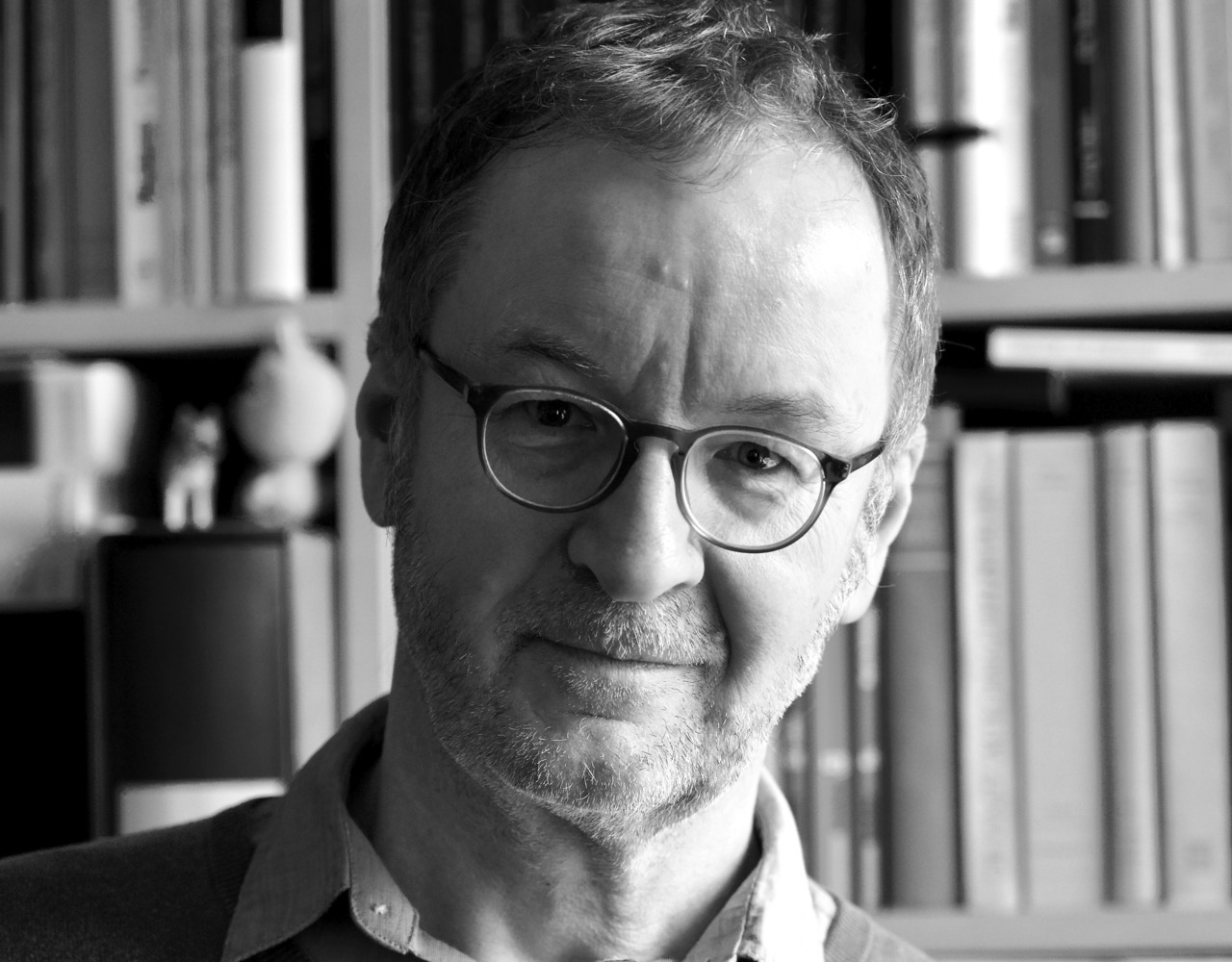
Bert Rebhandl is a cultural journalist, author, and film critic.
Prof. Dr. Daniel Tyradellis (Humboldt University of Berlin)
Dr. Alia Rayyan (Humboldt University of Berlin)
Dr. Laura Goldenbaum (Stiftung Humboldt Forum im Berliner Schloss)
Bert Rebhandl is an journalist, author, and film critic. He works as a freelance cultural journalist and regularly writes for major German-language media such as the Frankfurter Allgemeine Zeitung, Der Standard, and tip Berlin. He is also a co-founder and co-editor of the journal CARGO Film Medien Kultur, which specializes in film and media criticism. He lives and works in Berlin.
Rebhandl is regarded as a profound expert on international film history, writing about both cinematic classics and contemporary productions.
His engagement with film is reflected in several monographs he has published. With Orson Welles. Genie im Labyrinth he explored the work of one of the most significant directors of the 20th century, while in Jean-Luc Godard. Der permanente Revolutionär he analyzed the oeuvre of the French avant-garde filmmaker. In addition, with Der dritte Mann. Die Neuentdeckung eines Filmklassikers he offered a fresh perspective on the famous postwar film. Beyond these works, he has also published studies on television and series culture, such as Seinfeld, and has examined genre questions including the Western.
Through this body of work, Rebhandl combines journalistic critique with scholarly reflection and is recognized as a voice that illuminates both film history and contemporary culture.