The rights of nature. A global practice
{{ time.start_TS | TS2dateFormat('MMM') }}
{{ time.start_TS | TS2dateFormat('YYYY') }}
| Admission: Free Admission |
| Venue: Hall 1, Ground Floor |
Across the world, parliaments, governments, and courts are increasingly granting legal rights to nature. In New Zealand, a river has been recognized as a legal entity with its own rights; in Spain, a lagoon has been granted legal protection; and in Ecuador, the rights of nature are enshrined in the constitution. But what do these rights actually mean? Can they help address the climate crisis? How can such rights be justified, and how can they be put into practice?
In his talk, Tilo Wesche explores these questions through the lens of property rights. In debates on climate action, biodiversity loss, and environmental protection, property rights are often overlooked. Yet they contain their own concept of ecological sustainability, one that can help overcome extractive ways of relating to nature. By rethinking property in ecological terms, Wesche develops an understanding of ownership that is better suited to the challenges of the Anthropocene. At the same time, this approach invites us to reconsider the very concept of property itself.
Participants
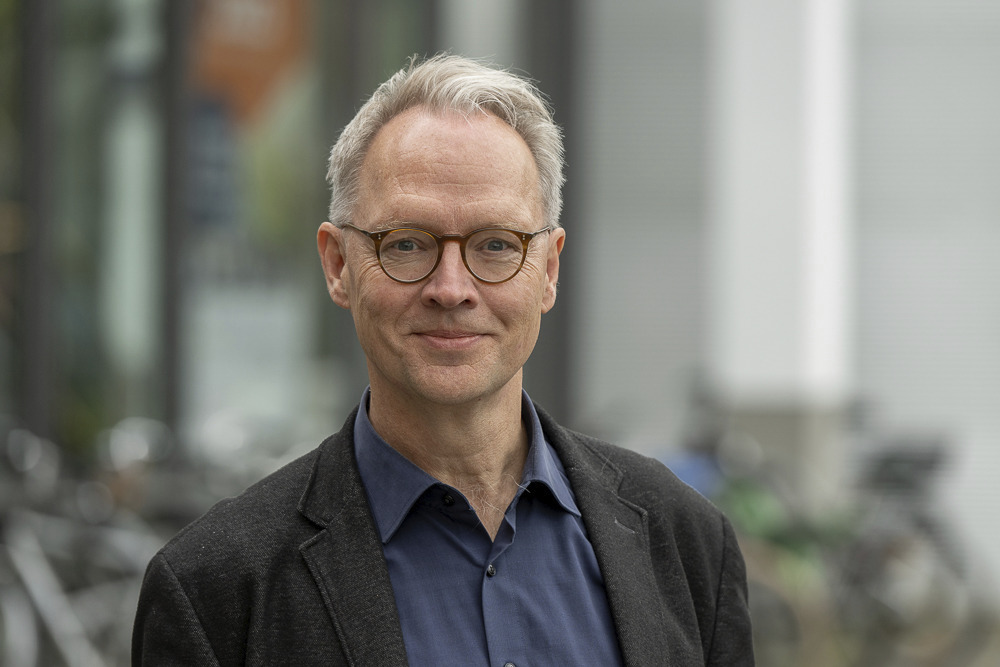
Tilo Wesche is a professor of practical philosophy at Carl von Ossietzky University of Oldenburg. A selection of his published books includes: Kierkegaard: A Philosophical Introduction, Stuttgart: Reclam 2003; Truth and Value Judgment: A Theory of Practical Rationality, Tübingen: Mohr Siebeck 2012; Adorno: A Philosophical Introduction, Stuttgart: Reclam 2018; The Rights of Nature: On Sustainable Property, Berlin: Suhrkamp 2023; Theories of Property, Hamburg: Junius 2024 (co-authored with Niklas Angebauer); Contested Property: A Sociological Debate, co-edited with Niklas Angebauer and Jacob Blumenfeld, Berlin: Suhrkamp 2025.