Costa Rica: Cultural Heritage and Biodiversity
from 20. März 2027
| Ethnologisches Museum, 2. OG |
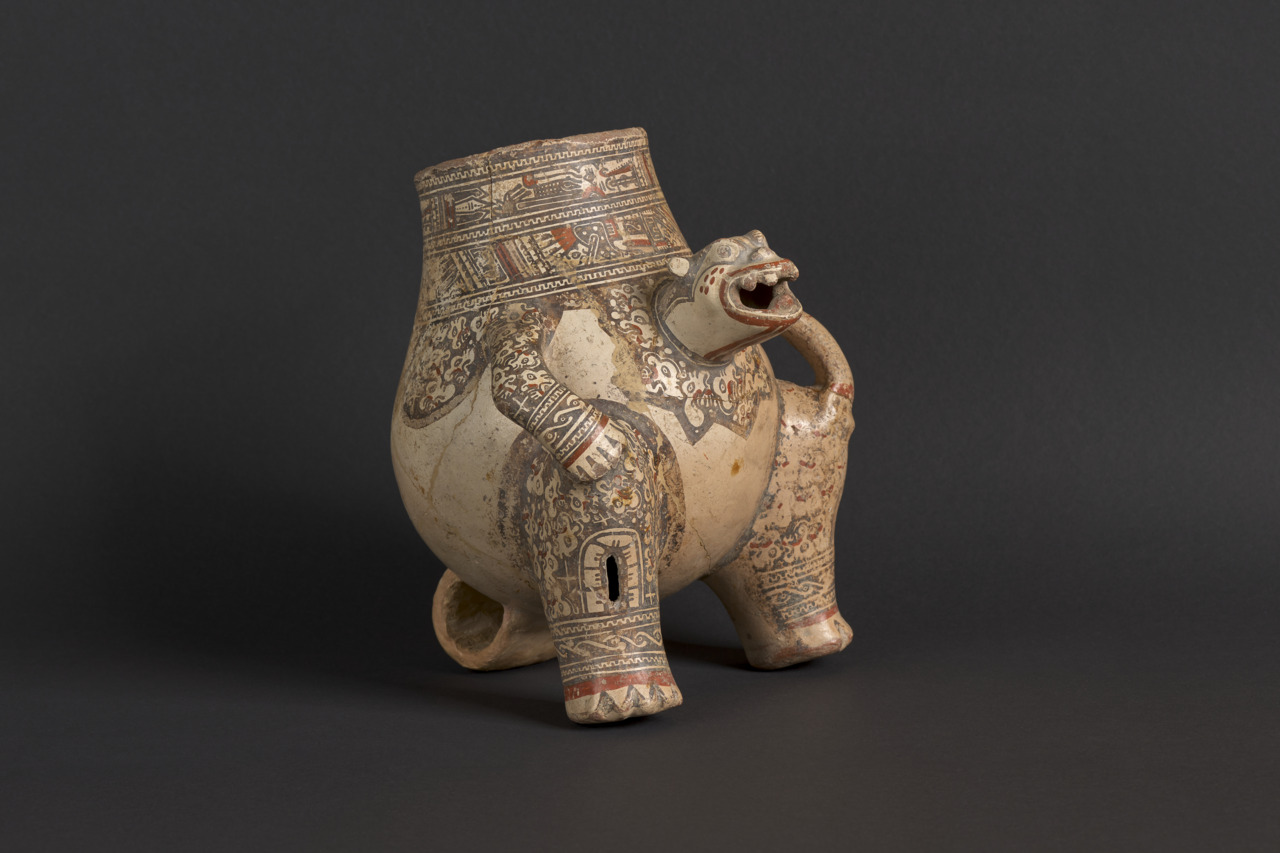
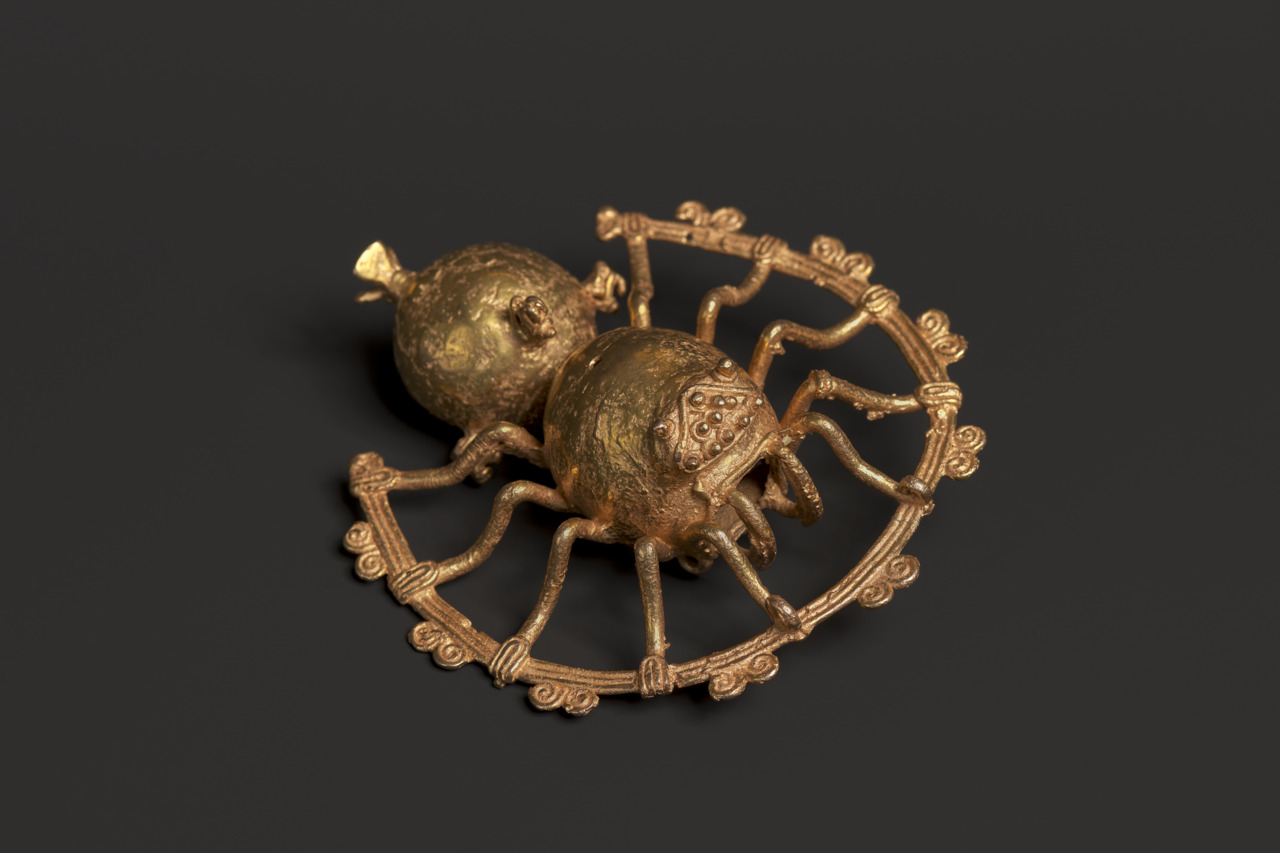
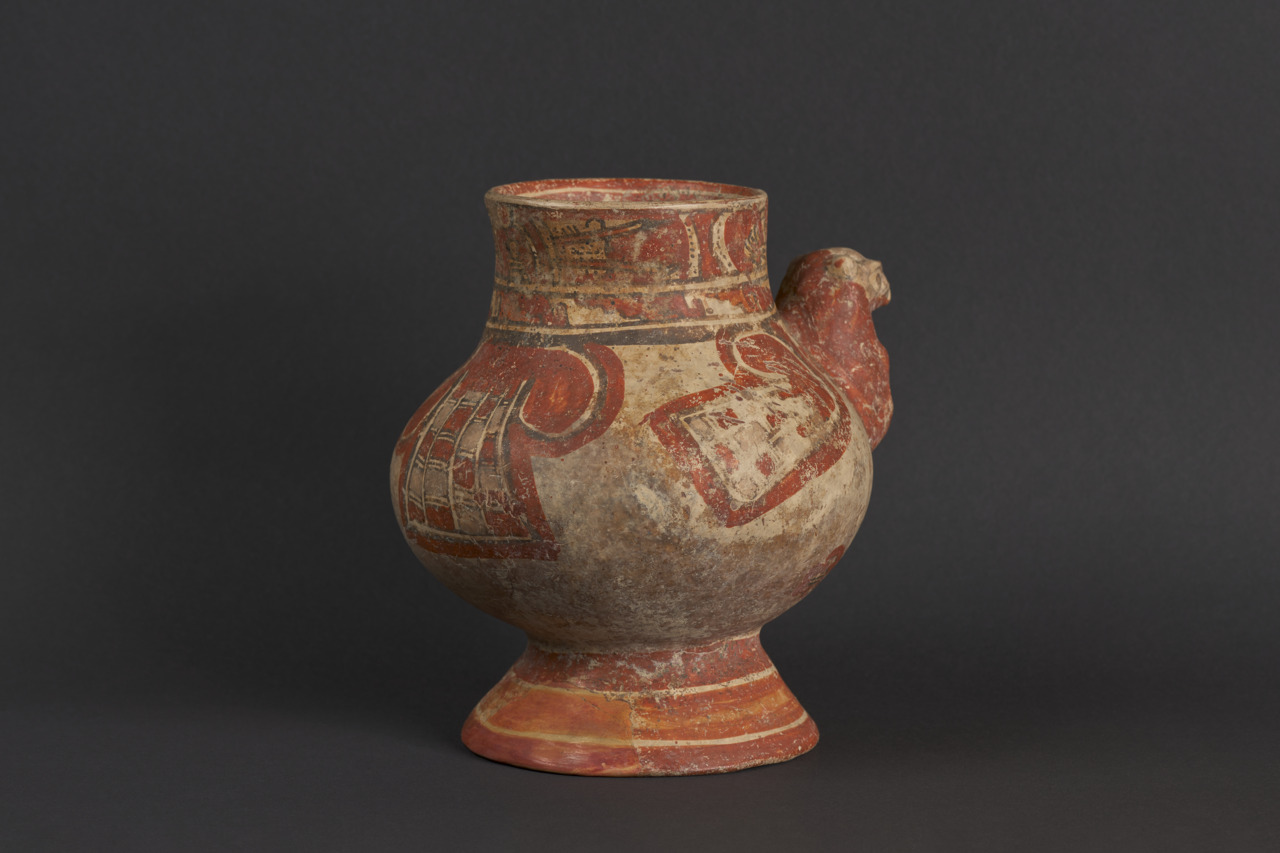
The exhibition Costa Rica: Cultural Heritage and Biodiversity brings together over 130 extraordinary objects made of gold, greenstone, clay, and plant fibres that testify to the close relationship between people and nature. The pre-Columbian and other historical artefacts document the lives of Costa Rica’s Indigenous communities: objects taken from everyday life are displayed alongside intricate representations of people, animals, plants, hybrid creatures, and shamans. The objects showcase traditional artisanal skills and illustrate spiritual ideas.
The exhibition presents a perspective according to which people form part of a living, animated world rather than being situated above nature. Historical objects enter into a dialogue with modern-day Indigenous perspectives, myths, and stories, showing that, in the eyes of many members of Indigenous societies, the objects on display are not relics of the past, but expressions of lived remembrance and cultural continuity.
By showcasing Costa Rica, one of the world’s most biodiverse regions, the exhibition invites visitors to take a fresh look at the relationship between people and the environment. It shows that nature is far more than just a resource: it is also a habitat, cultural heritage, and the basis of societal identity. Set against the background of global environmental and climate crises, the exhibition inspires us to focus more strongly on the needs of nature and to develop new perspectives on sustainable coexistence.
The exhibition is based on one of Europe’s largest Central America collections, which was compiled by the researcher Walter Lehmann between 1907 and 1909 for what was then the Berliner Völkerkundemuseum. The exhibition features archaeological and ethnographic objects from today’s Ethnologisches Museum as well as Lehmann’s written records of languages and other notable examples of cultural knowledge that remain highly important to this day. Many of these documents are held by the Ibero-Amerikanisches Institut of Stiftung Preußischer Kulturbesitz, which also provided objects for the exhibition on loan.
The exhibition came about through close cooperation between the Ethnologisches Museum, Staatliche Museen zu Berlin der Stiftung Preußischer Kulturbesitz, Stiftung Humboldt Forum im Berliner Schloss, and two of Costa Rica’s major museums, the Museo del Oro Precolombino (Gold Museum) of Museos del Banco Central and the Museo del Jade (Jade Museum).